What Homeowners Should Know About Garage Door Repair
When a garage door stops working properly, it can throw off your whole day. The door is one of the largest moving parts of a house, and it gets used more often than most people realize. Over time, springs wear out, tracks shift, and openers start to act up. Understanding what goes into a garage door repair can help you make better decisions when something goes wrong, whether you live in Minneapolis, St. Paul, or anywhere in Minnesota.
Garage doors rely on a balance of components working together. When one part fails, the whole system can feel off. The most common issues involve the springs, the opener, or the tracks. Each of these has its own set of warning signs and maintenance needs. Knowing how to spot them early can save you from a bigger headache later.
Springs and Cables: The Heart of the System
The springs do the heavy lifting on a garage door. They counterbalance the weight of the door so the opener does not have to. There are two main types: torsion springs and extension springs. Torsion springs are mounted above the door on a shaft and are more common on modern residential doors. Extension springs run along horizontal tracks on either side of the door and are usually found on older or lighter doors.
A spring replacement is one of the most critical garage door repair jobs. The springs are under extreme tension. If a spring breaks, the door can slam down suddenly. That is dangerous and can damage anything underneath it. The cable drum and roller bracket also play a role here. The cable wraps around the drum and connects to the bottom bracket. If the cable snaps or the bracket comes loose, the door will not move evenly.
Regular inspection of the springs and cables is a good idea. If you see frayed cables or notice the door feeling heavier than usual, it is time to call a professional. Trying to adjust a torsion spring yourself is risky. The tension in those springs can cause serious injury if released incorrectly.
Openers and Safety Sensors
The garage door opener is the motor that pulls or pushes the door along the track. Brands like LiftMaster, Chamberlain, and Genie are common in the Minnesota area. Each has its own features and compatibility requirements. If your opener stops working, the problem might not be the motor itself. Sometimes it is the safety sensors or the photo-eye sensors that are misaligned.
Safety sensors are required on all modern garage door openers. They sit near the floor on either side of the door and send an invisible beam across the opening. If something breaks the beam while the door is closing, the opener reverses direction. This is a critical safety feature, especially in homes with children or pets. If your door reverses for no apparent reason, check the sensors first. They might be dirty, out of alignment, or blocked by an object.
Another common issue with openers is the travel limits. Over time, the limits that tell the motor where to stop can drift. This can leave the door hitting the floor too hard or stopping short of the ground. Adjusting the travel limits is usually a simple fix, but you need to follow the manufacturer's instructions carefully. Chamberlain and LiftMaster openers typically have a dial or button sequence for this. Genie models use a different system, so always check the manual.
Track Alignment and Roller Maintenance
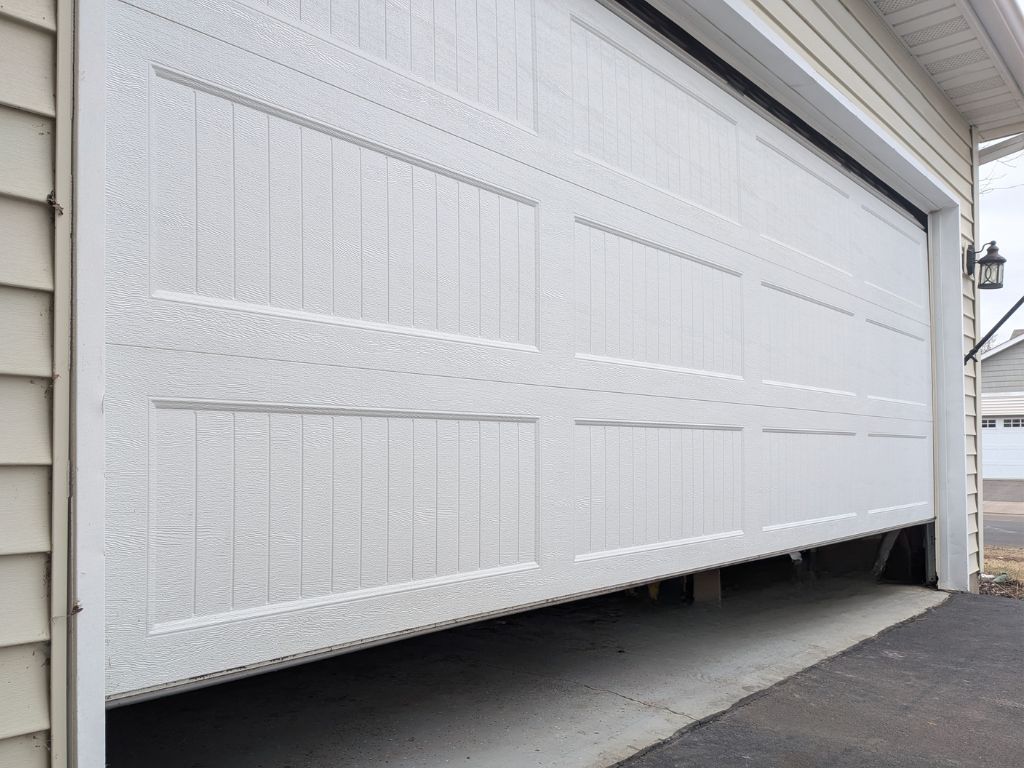
The track guides the door as it goes up and down. If the track is bent, loose, or out of alignment, the door will bind or move unevenly. Track alignment issues are a frequent cause of noisy operation. You might hear scraping, grinding, or popping sounds. That is usually the rollers hitting a rough spot on the track.
The roller bracket holds the rollers in place and attaches them to the door. If a roller bracket is damaged or worn, the door can come off the track. That is a serious problem that can damage the door and the opener. Regular lubrication of the rollers and hinges helps keep everything moving smoothly. Use a silicone-based lubricant, not grease or oil that will attract dirt.
For homeowners in Minneapolis and St. Paul, the weather plays a role in track maintenance. Cold temperatures can cause metal to contract, and ice can form on the track. Both can throw the door out of alignment. Checking the track for debris and ice during winter months is a smart habit.
Door Materials and Brands
The door itself is built from panels that can be made of steel, aluminum, wood composite, or fiberglass. Clopay and Amarr are two well-known manufacturers whose doors are installed across Minnesota. Each brand offers different insulation values, styles, and warranty terms. If you need a panel replaced, it helps to know the brand and model so the new panel matches.
Steel doors are durable but can dent. Fiberglass doors resist dents and rust but can be more expensive. Wood composite doors offer a classic look but need periodic painting. The material affects how the door handles temperature and humidity, which matters in Minnesota's climate.
Annual Maintenance and Warranty Considerations
Annual maintenance is the single best way to extend the life of your garage door system. A simple checkup includes lubricating moving parts, testing the balance, inspecting the cables, and cleaning the sensors. Most manufacturers recommend doing this at least once a year. It takes about thirty minutes and can prevent small problems from becoming expensive repairs.
Warranty coverage varies by brand and installer. Some cover parts for a set number of years, while others cover labor. If your door is still under warranty, make sure you follow the recommended maintenance schedule. Missing a lubrication step or using the wrong lubricant could void the warranty. Keep your receipts and any service records.
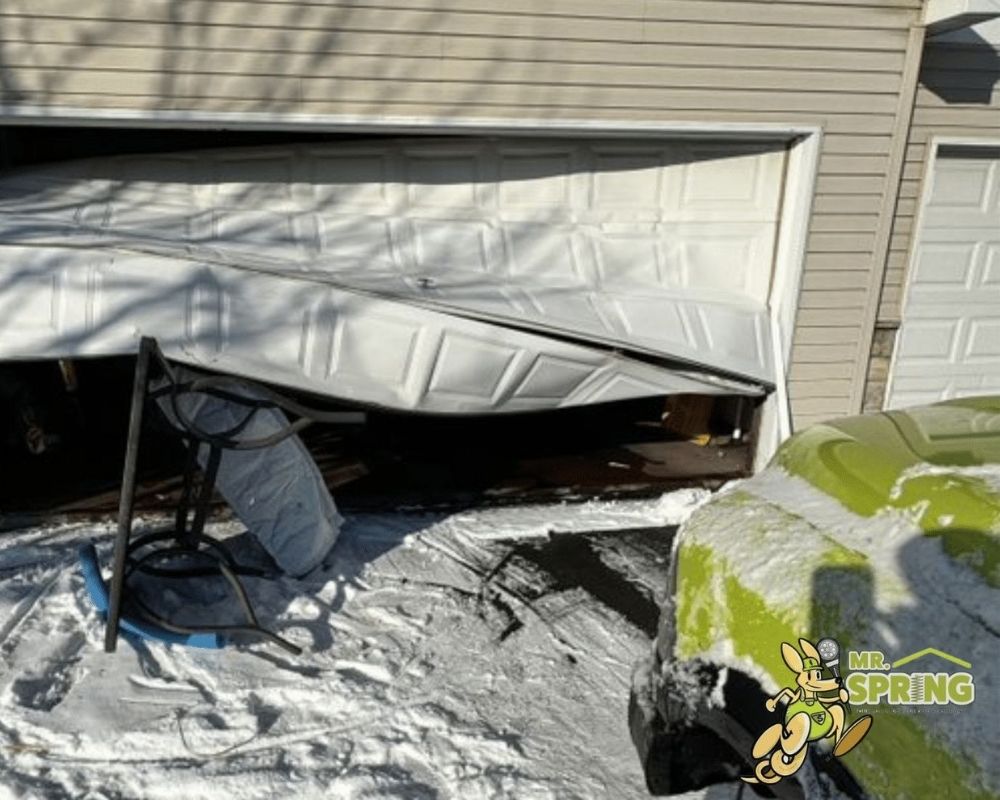
Knowing the basics of garage door repair helps you communicate better with a technician. When you call for service, you can describe the problem accurately. That saves time and helps the technician bring the right parts. Whether you need a spring replacement, a new opener, or a track adjustment, understanding what is involved makes the whole process smoother.
Living in Minnesota means dealing with snow, ice, and temperature swings. A well-maintained garage door is more than a convenience. It keeps your home secure and your car protected from the elements. Taking care of the small things now can prevent a major breakdown later. And when a repair is needed, knowing what to expect makes it easier to get back to normal.